Enhancing Lives through Adaptive Sports
Adaptive sports programs have gained significant momentum in recent years, providing individuals with disabilities the opportunity to engage in various recreational activities. These programs aim to break barriers, promote inclusivity, and empower people with disabilities to explore their full potential. By adapting traditional sports and developing new ones, individuals with disabilities can participate in activities that were previously inaccessible to them.
Improving Physical Health and Well-being
Participating in adaptive sports offers numerous physical health benefits. The tailored nature of these programs ensures that individuals with disabilities can engage in activities that suit their abilities and needs. Regular participation in adaptive sports can improve cardiovascular endurance, strength, flexibility, and overall physical fitness. Moreover, these activities can help manage weight, reduce the risk of chronic diseases, and enhance motor skills and coordination.
Specialized Equipment: Bridging the Gap
To facilitate participation in adaptive sports, specialized equipment plays a crucial role. Unlike conventional sports equipment, adaptive sports equipment is specifically designed to accommodate the unique needs and abilities of individuals with disabilities. From adaptive wheelchairs and handcycles to modified skis and sleds, these innovative tools enable athletes to perform at their best and enjoy the sport to the fullest.
Wheelchairs and Mobility Aids
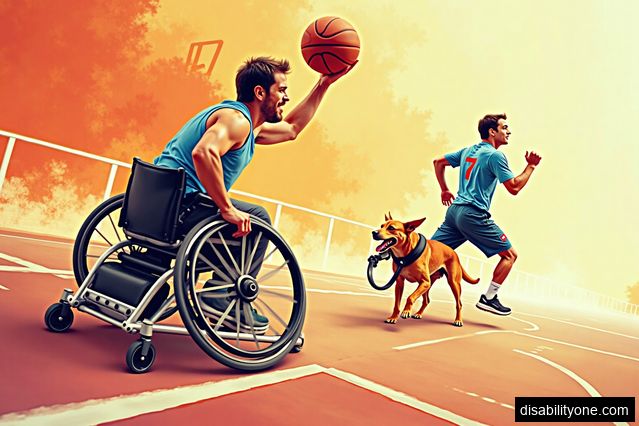
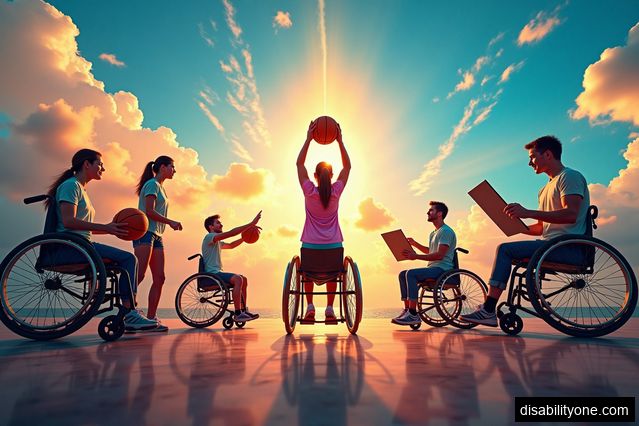
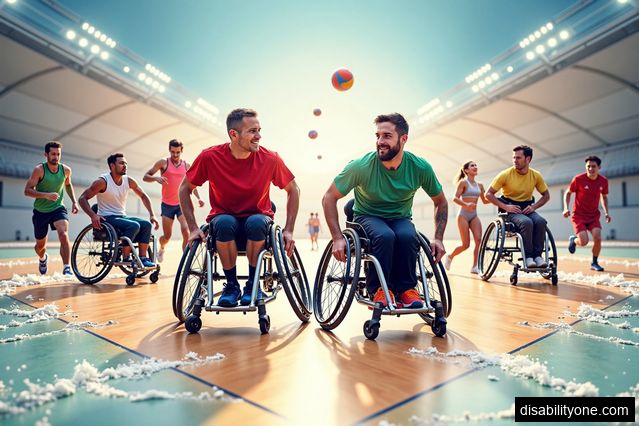
Wheelchairs are perhaps the most well-known adaptive sports equipment. With advancements in technology, athletes can now utilize lightweight, maneuverable wheelchairs tailored to various sports such as basketball, tennis, and rugby. Similarly, mobility aids like crutches, walkers, and prosthetic limbs enable individuals with mobility impairments to engage in adaptive sports that require running, jumping, or balancing.
Promoting Inclusion and Empowerment
Adaptive sports programs not only enhance physical well-being but also play a vital role in promoting inclusion and empowerment. These programs create a supportive community where individuals with disabilities can connect with others facing similar challenges, fostering a sense of belonging and camaraderie. By participating in adaptive sports, individuals gain confidence, develop teamwork skills, and improve their self-esteem, leading to personal growth and empowerment.
Changing Perceptions and Breaking Stereotypes
Through adaptive sports, individuals challenge societal perceptions and break stereotypes surrounding disabilities. These programs demonstrate that individuals with disabilities are capable of achieving remarkable feats and excelling in sports. By showcasing their abilities and determination, athletes with disabilities inspire others and encourage a more inclusive and accepting society.