
Enhancing Mobility for All
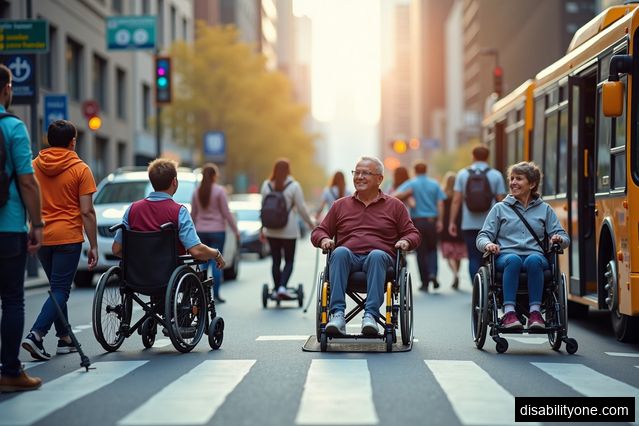
Transportation plays a vital role in everyone's daily lives, and individuals with disabilities should have equal access to reliable and accessible transportation options. Fortunately, there have been significant advancements in transportation solutions that cater specifically to the needs of people with disabilities. These solutions aim to enhance mobility, promote independence, and ensure equal opportunities for all individuals, regardless of their physical abilities.
Adaptive Vehicles and Equipment
Adaptive vehicles and equipment are essential components of accessible transportation. These vehicles are specifically designed or modified to accommodate individuals with mobility challenges. They may feature ramps, lifts, or lowered floors to ease wheelchair access. Additionally, adaptive equipment such as hand controls, wheelchair securement systems, and transfer seats can further enhance the accessibility of these vehicles. With the right adaptations, individuals with disabilities can confidently and comfortably navigate their communities.
Public Transportation Accessibility
Public transportation is a lifeline for many individuals, providing access to employment, education, healthcare, and social activities. It is crucial to ensure that public transportation systems are accessible to all, including individuals with disabilities. This can be achieved through various measures, such as:
Accessible Infrastructure
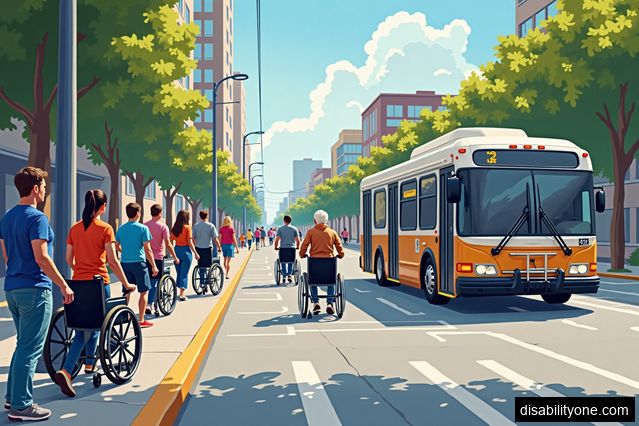
Investing in accessible infrastructure is a fundamental step towards creating an inclusive transportation system. This includes features like wheelchair ramps, elevators, and tactile paving to aid individuals with visual impairments. Furthermore, clear signage and audio announcements can assist individuals with cognitive disabilities in navigating public transportation networks with ease.
Ride-Sharing Services
The emergence of ride-sharing services has revolutionized transportation, offering convenient and flexible options for everyone. For individuals with disabilities, these services can be particularly beneficial. Many ride-sharing platforms now offer accessible vehicles equipped with wheelchair ramps or lifts, allowing individuals with mobility challenges to travel independently. Additionally, these services provide an alternative to traditional public transportation, ensuring that individuals with disabilities have reliable transportation options regardless of their location.
Driver Training and Awareness
To ensure a positive experience for individuals with disabilities, it is crucial for ride-sharing companies to invest in driver training programs. These programs should focus on disability awareness, sensitivity, and the proper handling of assistive devices. By improving driver knowledge and understanding, ride-sharing services can create a more inclusive and accommodating transportation environment.
Technology Innovations
Advancements in technology have opened up new possibilities for accessible transportation solutions. Here are some notable innovations:
Mobile Applications and Real-Time Information
Mobile applications that provide real-time transportation information can greatly benefit individuals with disabilities. These apps allow users to plan their trips, access schedules, and receive alerts or updates regarding delays or disruptions. By having access to accurate and timely information, individuals with disabilities can better plan their journeys and make informed decisions about their transportation needs.
Promoting Collaboration and Advocacy
Improving accessibility in transportation requires collaboration between various stakeholders, including government agencies, transportation providers, disability organizations, and individuals with disabilities themselves. By working together, these parties can identify barriers, develop solutions, and advocate for inclusive transportation policies and practices. Public forums, consultations, and partnerships can facilitate dialogue and ensure that the voices of individuals with disabilities are heard and considered in transportation planning and decision-making processes.
Promoting Universal Design Principles
Universal design principles emphasize creating products, services, and environments that are usable by people of all abilities. By integrating these principles into transportation solutions, accessibility becomes a standard practice rather than an afterthought. Universal design ensures that accessibility is inherent in transportation systems, benefiting not only individuals with disabilities but also the wider population.